


Published by Areton Ltd
Public Policy Submission – November 2025
📄 Introduction
This page presents Areton Ltd’s formal submission opposing the proposed Article 4 Direction and selective licensing scheme for East Marsh, Grimsby.
We have provided evidence of derelict, boarded-up, and long-term vacant houses across East Marsh to demonstrate that the real issue facing the area is disuse and neglect, not HMO development.
The full letter below has been submitted to:
-
Planning Policy and Housing Strategy teams – North East Lincolnshire Council
-
Secretary of State for Levelling Up, Housing and Communities
We will continue to publish additional photographic and video evidence of East Marsh dereliction as it becomes available.
I write as a property investor and stakeholder active in the regeneration of East Marsh and Cleethorpes, within the North East Lincolnshire Council area.
I am deeply concerned about the ongoing discussion of introducing an Article 4 Direction for HMOs and expanding selective licensing across East Marsh.
These measures, while perhaps well-intentioned, would in practice discourage investment, prolong vacancy, and worsen an already fragile housing market.
🧱 1. The Real Problem Is Derelict Housing – Not HMOs
The principal issue in East Marsh is the sheer volume of empty, boarded-up, and derelict houses, not a proliferation of HMOs.
A short walk along Harold Street, Wellington Street, Brereton Avenue, Rutland Street, and Weelsby Street shows rows of vacant and neglected properties.
This decay is the result of chronic under-investment, not over-development.
Investment should be encouraged, not red-taped. The Council should prioritise bringing these homes back into use instead of adding barriers that make such work financially unviable.
💷 2. Freedom from Article 4 Supports Regeneration
The absence of an Article 4 Direction in East Marsh is one of the few reasons investors still risk purchasing and refurbishing older housing stock.
Permitted development rights allow homes that would otherwise remain abandoned to be restored and turned into affordable, liveable accommodation.
If Article 4 restrictions were introduced, this regeneration would stall immediately.
Costs would rise, project feasibility would collapse, and many properties would remain empty for years.
⚖️ 3. A Borough-Wide Article 4 Would Breach National Policy
The National Planning Policy Framework (NPPF) is explicit:
“The use of Article 4 directions … should be limited to situations where this is necessary to protect local amenity or the well-being of the area … The potential harm that the direction is intended to address should be clearly identified. Article 4 directions should apply to the smallest geographical area possible.”
Any borough-wide or blanket Article 4 covering North East Lincolnshire would contradict government policy.
Unless the Council can show that every ward faces identical HMO-related harm — which it cannot — such a Direction would be modified or cancelled by the Secretary of State.
🧾 4. No Evidence That HMOs Cause Problems – In Fact, the Opposite
Assertions that HMOs cause anti-social behaviour or degrade neighbourhoods are unsupported by evidence.
In reality, the opposite is true:
-
HMOs are already tightly regulated under the Housing Act 2004.
-
Smaller HMOs (3–4 occupants) remain under environmental health and tenancy controls.
-
The claim of housing shortage is false for East Marsh. There is an abundance of vacant stock, not scarcity.
HMOs are therefore part of the solution, not the problem.
🚫 5. Any Article 4 for East Marsh Would Be Indefensible
If the Council proposed an Article 4 Direction for East Marsh, it would be easily challenged.
Photographic and video evidence of the numerous boarded-up homes would prove that the area suffers from disuse and under-investment, not HMO pressure.
Such a Direction would contradict national regeneration goals and could be rejected by the Secretary of State.
🏘 6. Consequences of Over-Regulation
Combining Article 4 controls with selective licensing would:
-
Deter legitimate refurbishment and redevelopment.
-
Reduce the supply of affordable shared housing.
-
Leave derelict homes empty for longer.
-
Increase deprivation and urban decay.
HMOs are one of the few private-sector models capable of reviving long-vacant homes without public cost. Blocking them will worsen East Marsh’s housing condition.
📣 7. Requested Actions
-
Do not make or confirm any Article 4 Direction for HMOs covering East Marsh or the wider borough until the derelict housing-stock issue has been fully resolved.
-
Withdraw any plan for a borough-wide Article 4, which would conflict with NPPF §53.
-
Prioritise regeneration policies that encourage investment and rehabilitation of empty homes.
-
Recognise that HMOs are already well-regulated and provide affordable housing.
-
Engage with local investors to support sustainable regeneration.
-
.
🏚 8. Evidence of Derelict Housing in East Marsh
Below are some examples of the many boarded-up, long-term vacant properties identified across East Marsh.
These images demonstrate the true condition of the area and the need for private investment rather than restrictions.
| Address | Image | ||
|---|---|---|---|
| 168 Rutland St | 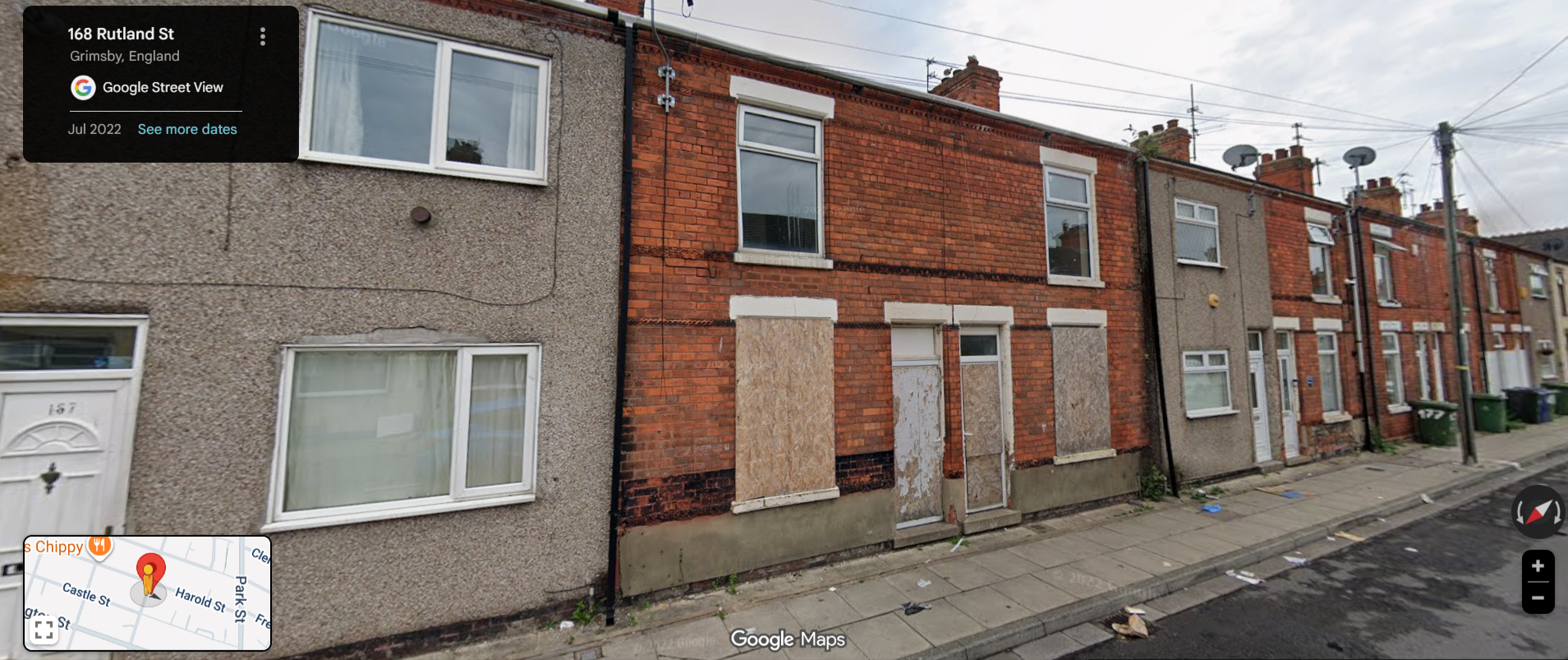 |
||
| 105 Rutland St | 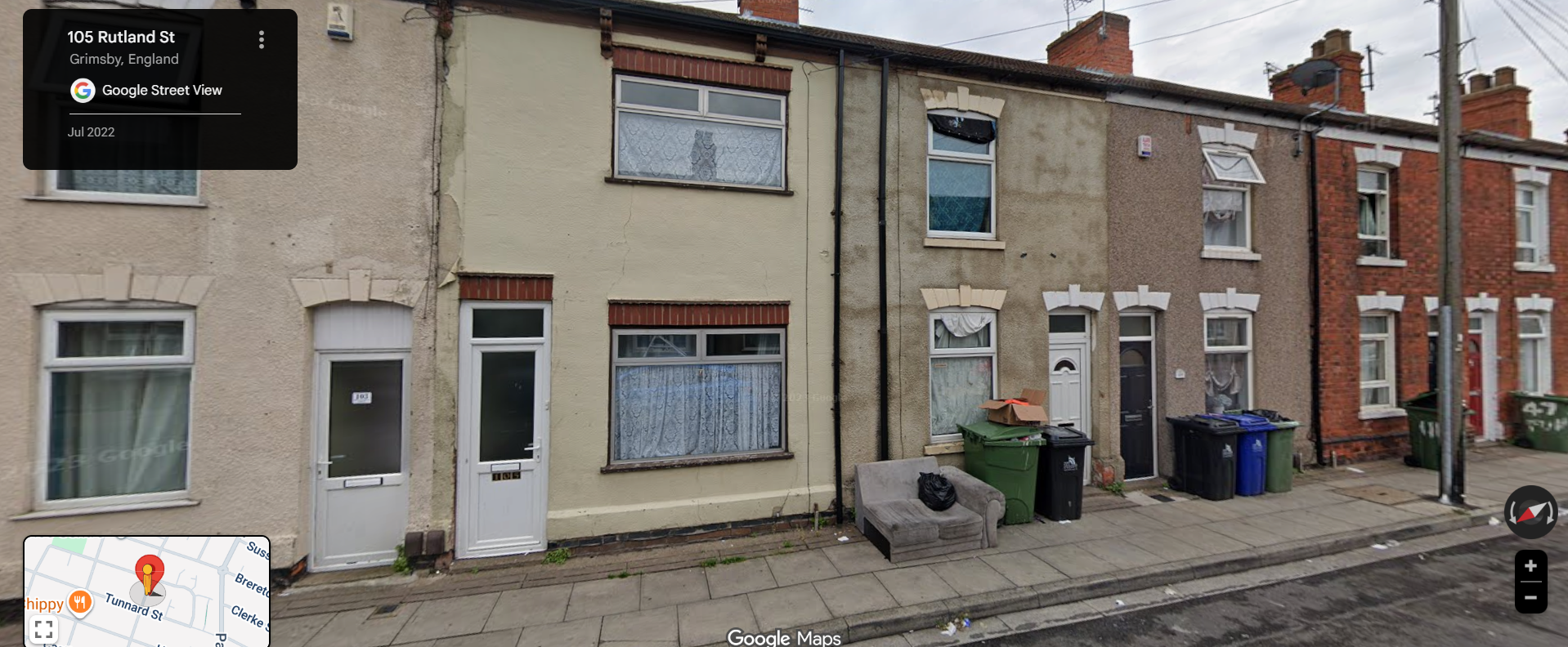 |
||
| 49 Tunnard St | 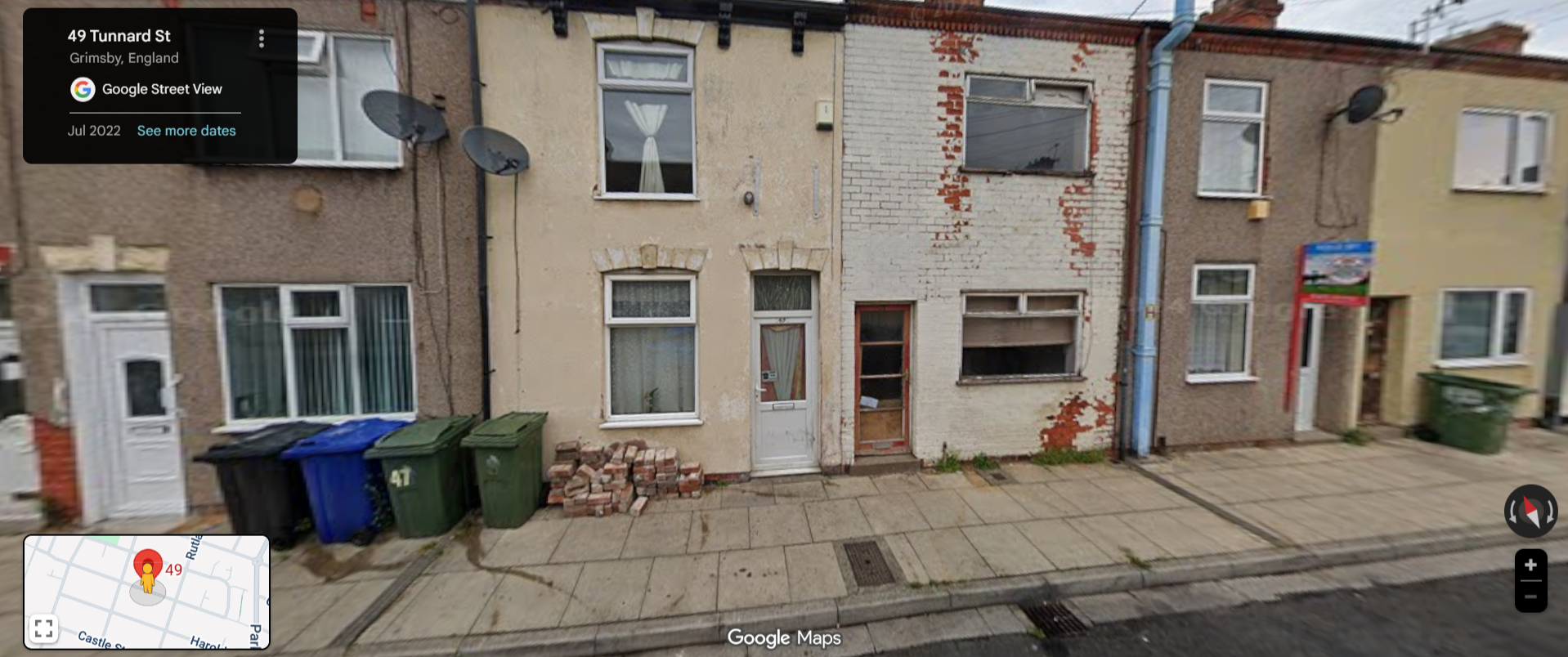 |
||
| Stanley street | 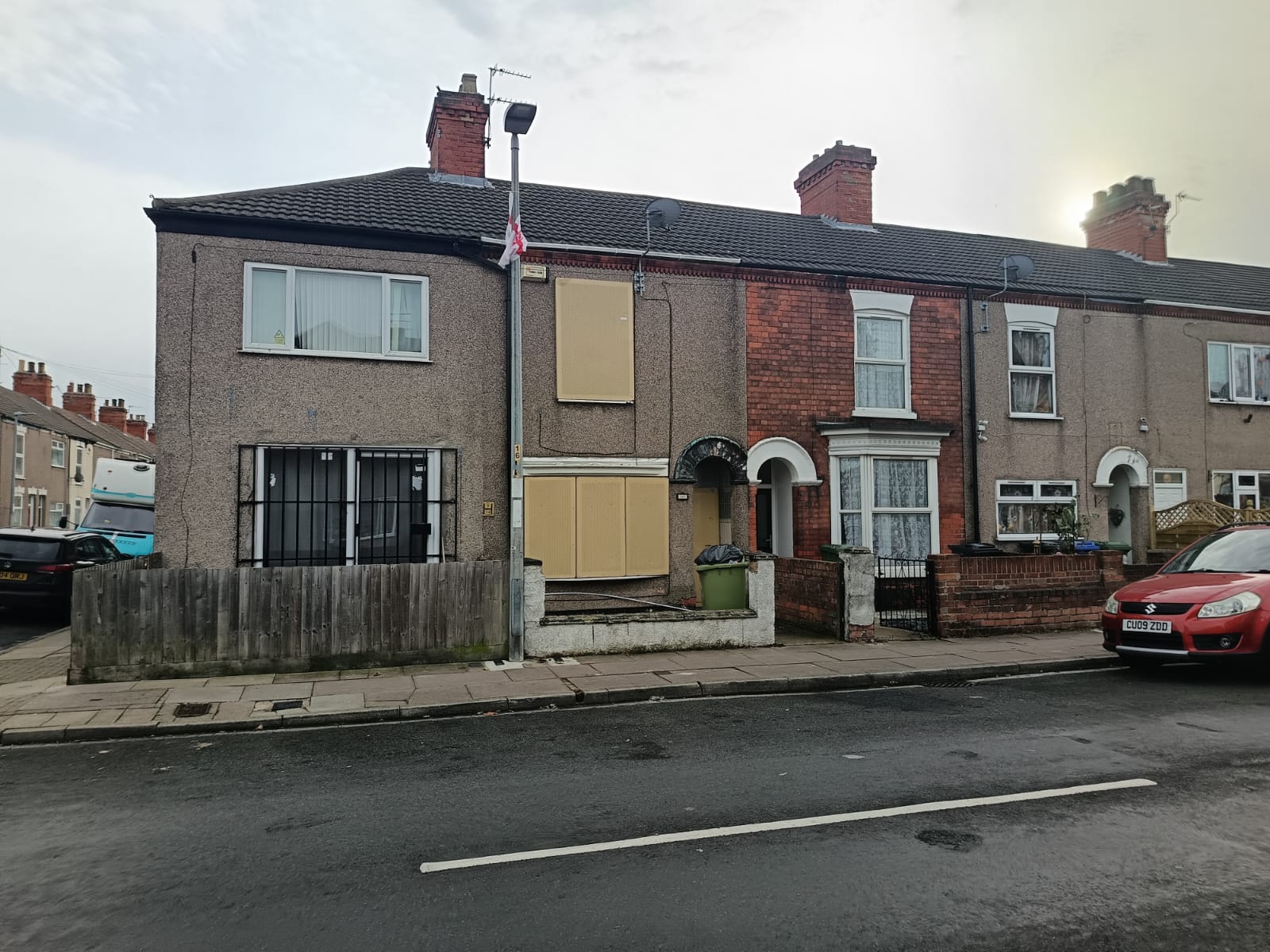 |
||
| Stanley street | 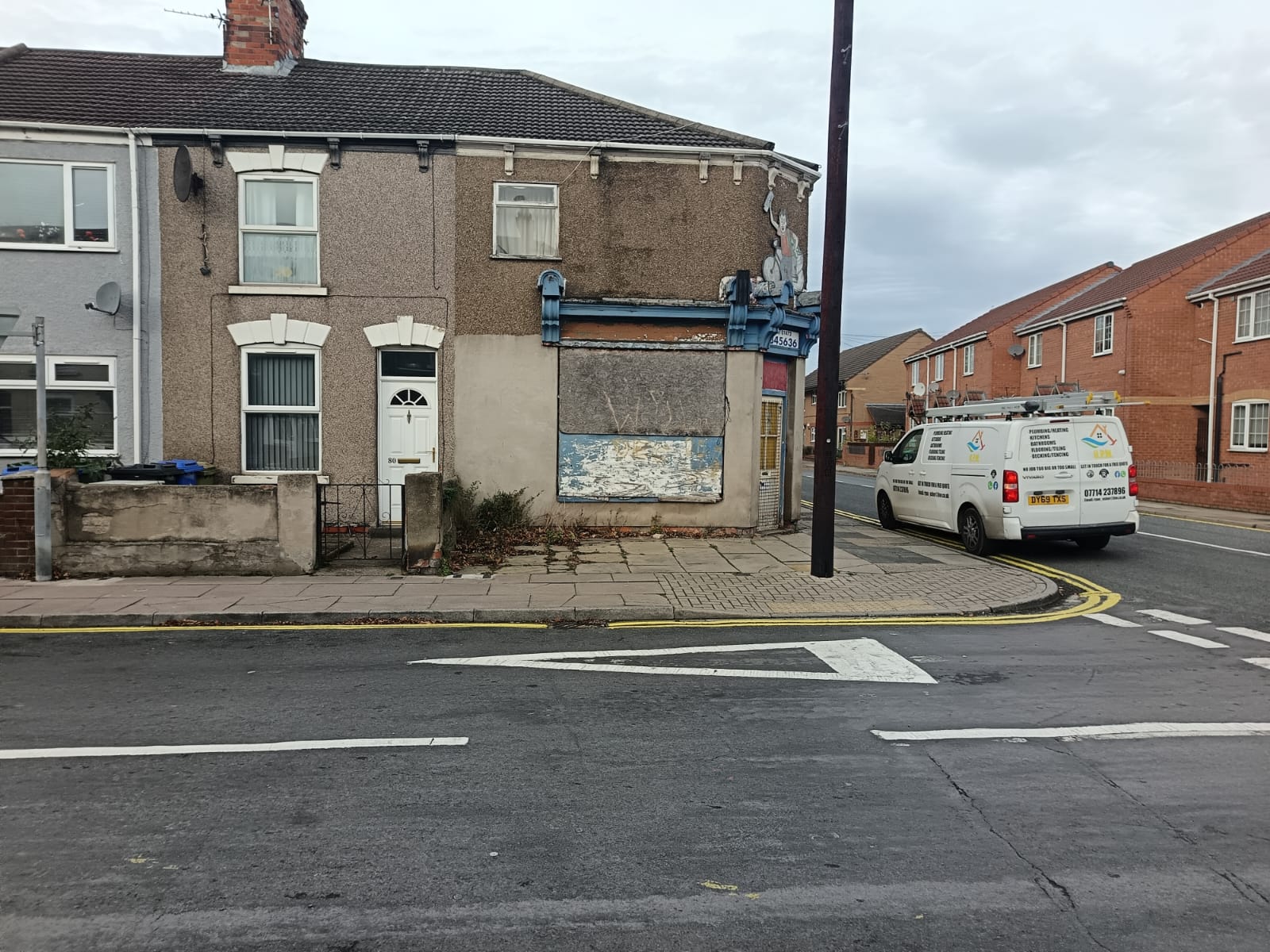 |
||
🔗 Public Access
This submission and all supporting evidence are available for public viewing on this page.
Further updates and photographic records will be added if the Council proceeds with any Article 4 consultation.
Link to this public submission:
https://www.areton-ltd.com/article4-eastmarsh
✉️ Contact
For further information or interviews:
📧 info@areton-ltd.com
🌐 www.areton-ltd.com
Letter to the Secretary of State in connection with the proposed article 4 direction for HMOs in Grimsby and Cleethorpes.
 English (UK)